Festivals That Actually Mean Something: 7 Gatherings Where Indigenous and Regional Heritage Lives and Breathes
Let's be honest about something: a lot of "cultural festivals" are basically themed fairs with ethnic food and a gift shop. They look like celebration, but they're really closer to performance — a curated version of a culture packaged for outside consumption, disconnected from the actual people and traditions they claim to represent.
Then there are the other kind. The ones where community members are the organizers, the storytellers, the knowledge keepers, and the audience all at once. Where ceremonies aren't staged for tourists but observed because they matter. Where the food comes from recipes that haven't changed in generations, and the crafts are made by hands that learned from other hands going back further than memory.
Those are the festivals we want to talk about. Here are seven worth knowing — and, if you're lucky enough to attend, worth approaching with genuine respect and curiosity.
1. Gathering of Nations Powwow — Albuquerque, New Mexico
Every April | Tingley Coliseum
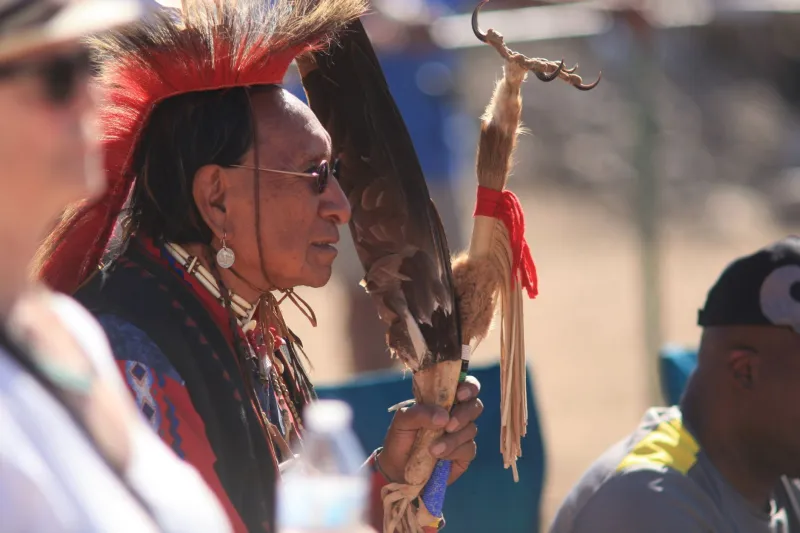
The Gathering of Nations is the largest powwow in North America, drawing over 700 tribes and more than 100,000 attendees each year. But what keeps it on this list isn't the scale — it's the substance. This event is organized and led by Native people, for Native people, with non-Native visitors welcome as respectful guests rather than the primary audience.
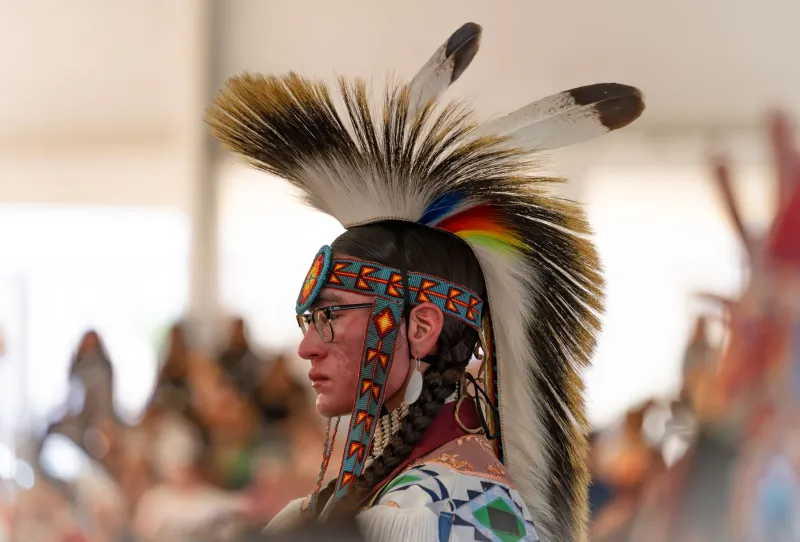
The dance competitions are breathtaking, yes, but they're also deeply meaningful expressions of identity, spirituality, and tribal distinctiveness. Each style of regalia tells a story about a specific community's traditions. The Miss Indian World competition, which runs alongside the powwow, centers indigenous women as leaders and cultural ambassadors in a way that pushes back against every stereotype Hollywood ever invented.
For first-time visitors: listen more than you talk, ask before you photograph, and understand that some ceremonies and dances are not for public consumption. The organizers make this clear, and respecting those boundaries is how you earn your place at the table.
2. Schemitzun — Mashantucket, Connecticut
Every August | Mashantucket Pequot Tribal Nation
Hosted by the Mashantucket Pequot Tribal Nation, Schemitzun — which translates roughly to "Feast of Green Corn and Dance" — is one of the most significant powwows in the northeastern United States. It's also one of the most intentionally community-centered.
The Pequot people have a complicated and painful history: their tribe was nearly annihilated in the 17th century and was officially "terminated" by the federal government in the 20th. The revival of Schemitzun is inseparable from the revival of the Mashantucket Pequot people themselves. When you watch the drum circles and the dance competitions here, you're watching a community that refused to disappear, doing the thing that proves it.
The festival also features a robust cultural education component, with demonstrations of traditional crafts, language, and food preparation that are led by tribal members and designed to share knowledge rather than sell a fantasy.
3. Santa Fe Indian Market — Santa Fe, New Mexico
Every August | Santa Fe Plaza
The Santa Fe Indian Market has been running for over a century, which makes it one of the oldest and most established indigenous arts markets in the country. What keeps it genuinely meaningful, rather than just a very old tourist attraction, is the rigorous standards maintained by the Southwestern Association for Indian Arts (SWAIA), the Native-led nonprofit that organizes it.
Every artist who exhibits must be a verified enrolled member of a federally recognized tribe. Every piece must be handmade by the artist themselves. These aren't bureaucratic technicalities — they're the line between authentic indigenous art and the mass-produced knockoffs that flood tourist markets across the Southwest.
For collectors and curious visitors alike, this is a rare opportunity to buy directly from artists, hear the stories behind the work, and understand the cultural traditions — Pueblo pottery, Navajo weaving, Hopi silversmithing — that each piece comes from. The market also includes fashion shows, film screenings, and live music, all organized through a Native lens.
4. Makahiki Festival — Various Locations, Hawaii
November–January | Multiple Sites Across the Hawaiian Islands
Makahiki is a traditional Hawaiian season of peace, harvest, and renewal that was suppressed during the colonial period and has been actively revived over the past several decades. Modern Makahiki celebrations vary by island and community, but the best of them are rooted in genuine cultural practice: traditional Hawaiian sports like hōlua sledding and ulu maika (stone bowling), offerings to Lono, and community feasting.
What makes Makahiki events worth highlighting is that they're not primarily designed for tourism. They're designed to reconnect Hawaiian communities — especially youth — with ancestral practices that were nearly lost. When visitors are welcome, it's as participants in something real, not spectators of something performed.
The revival of Makahiki is part of the broader Hawaiian cultural renaissance that also includes the resurgence of the Hawaiian language, traditional navigation, and hula as a sacred rather than commercial practice. Attending with that context in mind changes the experience entirely.
5. Seminole Tribal Fair and Rodeo — Hollywood, Florida
Every February | Seminole Hard Rock Hotel & Casino Grounds
The Seminole Tribe of Florida hosts one of the most distinctive cultural gatherings in the South — a combination of powwow, rodeo, and tribal fair that reflects the unique history and identity of a people who never signed a peace treaty with the United States federal government and who maintained their sovereignty through sheer determination in the Everglades.
The rodeo component isn't a novelty — cattle ranching has been part of Seminole economic and cultural life since the 19th century. Watching Seminole cowboys compete is a reminder that indigenous identity is dynamic, not frozen in a pre-contact moment. The fair also features traditional patchwork clothing demonstrations, alligator wrestling (a genuine Seminole tradition, not a sideshow), and Seminole foods like sofkee and fry bread.
The event is organized by the tribe and serves as both a community gathering and a public education opportunity — a combination that the Seminole people have managed with considerable grace.
6. Crow Fair — Crow Agency, Montana
Every August | Crow Agency
Billed as "the Teepee Capital of the World," Crow Fair is one of the largest Native American encampments in the country, with hundreds of traditional teepees set up along the Little Bighorn River each summer. The Apsáalooke (Crow) Nation has been hosting this gathering since 1904, and its longevity is itself a statement of cultural resilience.
This is, at its core, a community homecoming. Crow families travel from across the country to reconnect with relatives, participate in dance competitions, race horses, and simply be Crow together. Non-Native visitors are welcomed but are clearly guests in someone else's home — which is exactly how it should be.
The horse culture on display at Crow Fair is extraordinary. The Crow Nation's relationship with horses is central to their identity, and the parade that opens the fair — with riders in full traditional regalia on beautifully decorated horses — is one of the most genuinely moving sights in American cultural life.
7. National Folk Festival — Rotating US Cities
Every September | Various Locations
The National Folk Festival, produced by the National Council for the Traditional Arts, rotates to a new host city every three years, which means its specific content changes — but its commitment to presenting living heritage traditions, including indigenous and regional cultures, remains constant.
What distinguishes this festival from generic "world music" events is the emphasis on tradition bearers: the actual practitioners, elders, and community members who carry these arts, rather than polished performers who've adapted them for mainstream audiences. You might hear Sacred Harp singing from Alabama, Tejano conjunto from South Texas, or traditional drumming from an Alaskan Native community — all presented with deep contextual storytelling about where the tradition comes from and who it belongs to.
The rotating model also means the festival actively engages with the host community's own heritage, creating a genuinely local flavor each time.
A Note on Showing Up Right
Attending any of these festivals as an outsider — especially as a non-Native person — comes with real responsibilities. Research the community's specific protocols around photography, ceremony, and participation. Buy directly from community members when you can. Listen more than you perform your enthusiasm. And consider what you're taking home beyond the experience itself: whose stories are you carrying, and how will you honor them?
The difference between cultural celebration and cultural commodification often comes down to attitude. Come curious, come humble, and come ready to be changed by what you encounter. These communities aren't performing for you — they're living, and they're generous enough to let you witness it.