Threading the Past Into the Present: Young Indigenous Artisans Are Building Careers Without Selling Out Their Culture
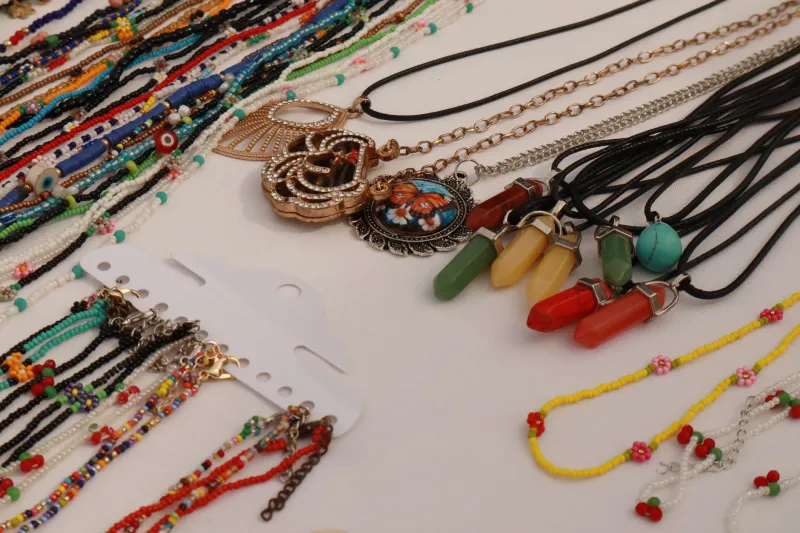
Jazmine Swifthawk was nineteen when she posted her first beadwork piece on Instagram. It was a pair of floral earrings in the style her kokum had taught her — tiny glass beads in the colors of prairie flowers, strung in patterns that had been traveling through her Métis family for generations. She captioned it simply: made with love and protocol.
Within a week, she had 400 new followers and a dozen messages asking if the earrings were for sale.
"I didn't even have a shop set up," she laughed, recounting the story at a Native arts market in Minneapolis. "I had to figure out everything at once — pricing, shipping, how to explain to someone in Florida what they were actually buying."
That last part, she says, turned out to be the most important piece of all.
Craft as Carrier
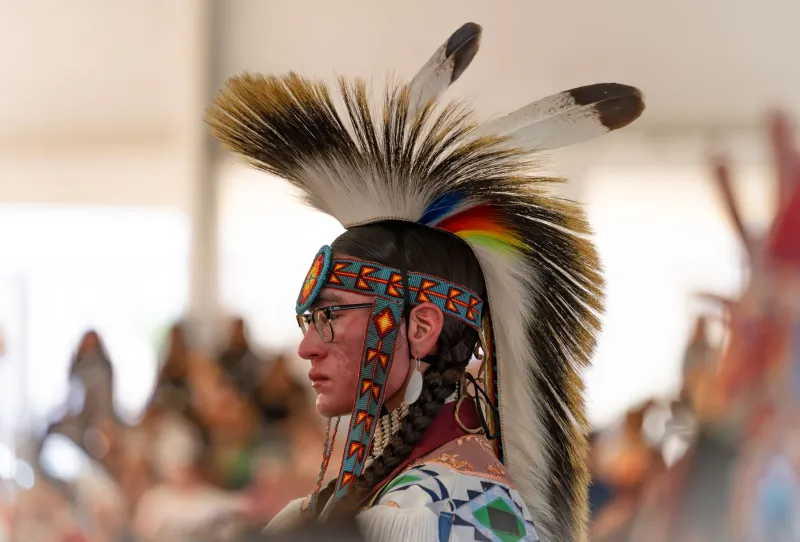
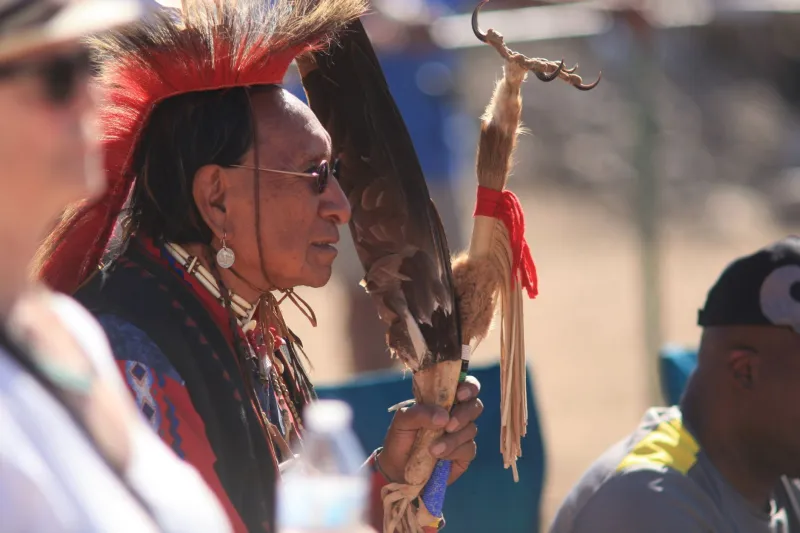
For Indigenous communities across the US, traditional crafts have always carried more than aesthetic value. Beadwork patterns encode family histories and regional identities. Basket-weaving techniques reflect deep ecological knowledge about local plant materials and their seasons. Ribbon skirt designs communicate cultural affiliation and spiritual meaning. These aren't decorative objects in the way a mainstream consumer might understand them. They are texts. They are archives. They are, in many cases, ceremonial objects.
So when a young Navajo weaver puts a rug on Etsy, or a Haudenosaunee basket maker sets up at a Brooklyn artisan market, they're not just selling a product. They're making a decision about how much of that layered meaning travels with the object — and how much gets lost in translation.
The new generation of Indigenous artisans is thinking about this more explicitly, and more publicly, than any previous generation has had the platform to do.
Finding the Audience Without Losing the Meaning
Social media has been genuinely transformative for Native artisans in ways that go beyond simple marketing. Instagram, TikTok, and Pinterest have allowed makers to build direct relationships with buyers — bypassing the gallery system and the trading post model that historically extracted value from Indigenous art while keeping Native artists at the economic margins.
Artisans like Bethany Yellowtail, a Northern Cheyenne and Crow designer based in Los Angeles, have used Instagram not just to sell work but to educate. Yellowtail's platform routinely features content about the cultural significance of the designs she uses, the protocol around certain patterns, and the difference between buying from an Indigenous maker and buying a mass-produced imitation. Her business, B.Yellowtail, has become as much a cultural education platform as a retail operation.
This dual function — selling and teaching simultaneously — has become something of a signature move for the most thoughtful Indigenous artisans working online. It's a way of ensuring that the buyer understands what they're participating in, and that the cultural weight of the object doesn't evaporate the moment it gets bubble-wrapped and shipped.
The Appropriation Problem Is Real, and They're Dealing With It Directly
Ask any Indigenous artisan about the biggest challenge they face, and appropriation comes up almost immediately — not as an abstract political concept, but as a daily, practical problem that affects their livelihood.
Mass retailers have spent decades producing "Navajo-style" rugs, "tribal" prints, and "Native-inspired" jewelry manufactured overseas with no connection to any actual Native community. The Indian Arts and Crafts Act of 1990 prohibits misrepresentation in the marketing of Native American crafts, but enforcement is inconsistent and the law has significant gaps.
For working artisans, the result is a market flooded with cheap imitations that undercut their prices and confuse buyers who genuinely want to support Indigenous makers but don't know how to tell the difference.
"Someone will message me saying they found earrings that look just like mine for eight dollars on Amazon," said one Lakota beadwork artist who sells through her own website and at regional markets. "And I have to explain that those eight dollars aren't going to any Native community, and that the design they're wearing probably has cultural significance that the manufacturer has no idea about and doesn't care about."
Her approach — shared by many in this community — is radical transparency. She documents her process publicly, explains the meaning of the patterns she uses, and makes clear in every listing that her work is tribally enrolled, hand-made, and priced to reflect the actual labor and cultural knowledge involved.
The Economics of Ancestral Skill
Let's talk about money, because the artisans themselves aren't shy about it.
Traditional beadwork is extraordinarily time-intensive. A single pair of fully beaded moccasins can represent forty or more hours of work. A large-scale quillwork piece might take weeks. When buyers balk at prices that reflect that reality, it's often because they've been conditioned by the mass market to expect Indigenous-style aesthetics at mass-market prices.
Part of what this generation of artisans is doing — loudly, on social media and at markets and in interviews — is re-educating the buying public about what authentic handmade Indigenous craft actually costs to produce. And why that cost is worth it.
"My grandmother didn't charge what her work was worth," said one Cherokee basket weaver who now runs a successful small business selling at markets across the Southeast. "She was told it wasn't worth much. I charge what it's worth. That's also part of reclaiming something."
Etsy has become a significant platform for many of these makers, though it comes with its own frustrations — the algorithm doesn't always favor small Indigenous sellers, and the platform has struggled with its own appropriation problems. Many artisans use it as one channel among several, combining online sales with pop-up appearances at Indigenous art markets, tribal fairs, and curated craft events.
How to Be a Good Buyer
If you want to support Indigenous artisans — and you should — here's what the makers themselves consistently ask for:
Buy direct when possible. Find the artist's own website or social media shop rather than going through a third-party reseller. The full price goes to the maker, and you get to build an actual relationship.
Ask questions, respectfully. Most Indigenous artisans are genuinely happy to talk about their work and its cultural context. That conversation is part of the transaction.
Don't haggle. The price reflects real labor and real cultural knowledge. Treat it accordingly.
Look for tribal enrollment or community affiliation disclosures. Many Native artisans voluntarily share this information as a way of establishing authenticity. It matters.
Follow and share their platforms. Visibility is currency in the social media economy. Amplifying Indigenous artisans costs you nothing and helps them significantly.
Attend Indigenous art markets. Events like the Santa Fe Indian Market, the Heard Museum Guild Indian Fair, and countless regional tribal markets are spaces where you can meet makers directly, see the work up close, and contribute to community economies in a meaningful way.
The Thread Continues
What Jazmine Swifthawk figured out at nineteen — and what hundreds of Indigenous artisans are working through right now across the country — is that the internet didn't change what the work means. It just changed who gets to see it, and who gets to decide what it's worth.
The patterns are still the patterns. The protocols are still the protocols. The knowledge still travels the same way it always has — hand to hand, elder to young person, one careful stitch at a time.
The difference is that now, the whole world can watch. And increasingly, it's paying attention.