Coming Home to Strangers: What Reconnection Really Looks Like for the Indian Adoption Era's Children
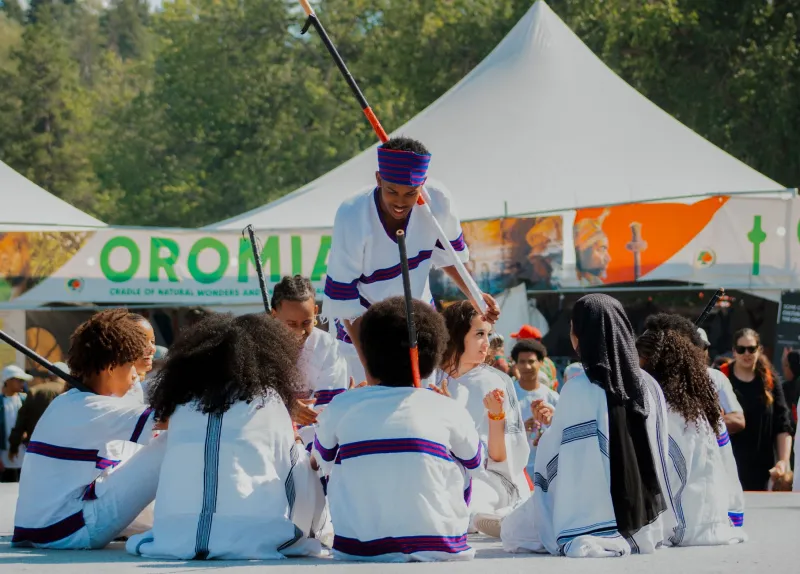
There's a photo that circulates in adoptee Facebook groups: a middle-aged woman in a ribbon skirt at her first powwow, standing stiffly at the edge of the arena, half-smiling. The caption is always some version of the same thing. First gathering. Fifty-two years old. I don't know the protocol. I don't know anyone. But I'm here.
She's not alone, and she's not rare. She's one of thousands.
The Era Nobody Named
Between the 1950s and the passage of the Indian Child Welfare Act in 1978, an estimated 25 to 35 percent of Native children were taken from their families — through boarding schools first, then through adoption placement programs that shipped kids to white families across the country, often with the explicit goal of erasing their tribal identity. The paperwork was efficient. The rationale was, in the words of the era's own architects, assimilation.
ICWA was supposed to end it. And it slowed the bleeding — which is why the law has been under constant legal assault ever since. But the law didn't do anything for the children already gone. They grew up. They became adults with gaps where a culture should be.
The Great Reconnection
What's happened in the last decade is quietly astonishing. Direct-to-consumer DNA testing, once a novelty, became a searchlight. A 23andMe kit bought on Black Friday has reunited more adoptees with their nations than any government program ever designed to.
Social media did the rest. Groups like 'Stolen Generations' and 'Lost Birds' — a term borrowed from the Australian experience — became the digital longhouses where adoptees compare DNA results, share enrollment paperwork nightmares, and ask the questions they can't ask anywhere else. Did anyone else get told they were Italian? Did anyone else flinch at the word 'adopted'?
Tribal nations, for their part, have been doing something the federal government never did: preparing for their return. Several now run reconnection programs with dedicated staff — people whose entire job is helping adults navigate enrollment, genealogy, and the sheer emotional vertigo of learning your relatives' names at fifty.
Arriving as a Stranger
Here's what nobody tells you about coming home: the door is open, but you still have to walk through it, and walking through it is awkward.
There are the ceremonies, which are gifts and also gauntlets — the first naming ceremony where an elder gives you a name in a language you don't speak yet, and everyone cries, and you cry too, mostly from not knowing where to put your feelings. There are the first family gatherings, where your second cousin's kids know your face from the group chat but you don't know which chair is yours. There's the grief of meeting people who look like you and the anger of realizing why you never did before.
Adoptees describe it as mourning someone who's still alive: the childhood they would have had, the language they would have absorbed without trying, the aunties they would have known by smell.
And yet.
The Relatives Who Never Stopped Looking
The other side of every reunion story is a search that never ended. Grandmothers who kept addresses in shoeboxes for forty years. Cousins who posted photos on every genealogy site hoping an algorithm would do what agencies wouldn't. Nations that kept records of children taken, even when the federal government considered the matter closed.
When an adoptee finally makes contact, the welcome is often overwhelming precisely because the absence was never accepted. 'We've been waiting for you' is not a figure of speech. It's a ledger.
That doesn't mean reconnection is frictionless. Communities are small and histories are complicated, and a returning adoptee can stir up old wounds — including for relatives who were left behind. The healthiest reconnection programs treat everyone as affected: the adoptee, the birth family, the community that lost a child it never forgot.
Home Is a Verb
The adoptees I've spoken with resist the tidy ending. Nobody 'comes home' in a single moment. They come home in installments — the first language class, the first time they dance (even badly), the first winter they know to expect the feast, the first grandchild they can introduce to a world they almost didn't get to know.
ICWA's opponents in the courts argue about states' rights and placement preferences. The adoptees argue about something else entirely: that culture is not a nice-to-have, that identity taken by force deserves restoration by effort, and that a nation that counts its children can also welcome them back — decades late, at the edge of the arena, in a ribbon skirt and no idea what comes next.
What comes next is simple. They keep showing up. And eventually, the arena edge moves.