More Than a Gathering: How Powwows Are Quietly Building Native Economic Power
Walk into any powwow on a Saturday morning before the grand entry and you'll feel it — that particular kind of energy that has nothing to do with commerce and everything to do with belonging. The smell of fry bread drifting through dry summer air. The low hum of drum groups warming up. Kids in regalia chasing each other between canopies. Elders laughing loud at something that doesn't need explaining.
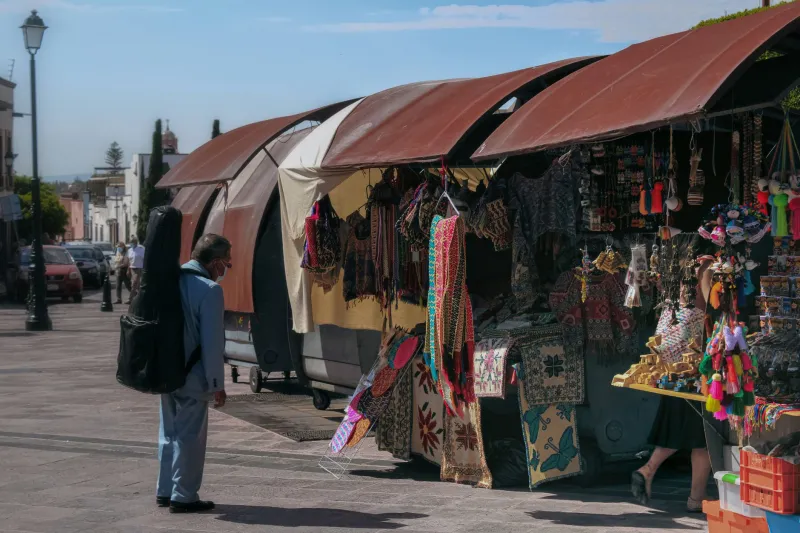
But look a little closer, and you'll also notice something else happening in those rows of vendor booths stretching out along the perimeter. Something intentional. Something that's been quietly growing for years.
Across the United States, powwows are evolving into sophisticated economic ecosystems — and the people driving that evolution are Indigenous entrepreneurs, tribal economic development officers, and community organizers who are very deliberately building wealth without selling their culture out in the process.
The Booth Is the Business Plan
For many Native vendors, a powwow booth isn't a hobby or a side hustle. It's the foundation of a livelihood that travels the powwow circuit the way musicians tour — strategically, seasonally, and with serious logistical planning.
Take a family-run jewelry operation out of the Southwest that spends eight months of the year at gatherings from New Mexico to Montana. What looks like a simple display of turquoise and silver is actually the product of a year-round production cycle, a social media following built over a decade, and a pricing strategy that keeps the work sustainable without undercutting the craft. The powwow circuit, for families like these, functions as a built-in distribution network — one that connects makers directly to buyers without the margins eaten up by galleries or wholesale middlemen.
"We control the price, we control the story, we control who we sell to," one vendor told us at a regional gathering in the Pacific Northwest. "That's not a small thing. That's everything."
And the variety of what's being sold has expanded dramatically. Beyond jewelry and regalia, today's powwow vendor rows include Indigenous-owned skincare brands using traditional botanical knowledge, Native-authored children's books, handmade drums and flutes, wild-harvested teas, beaded phone cases, and clothing lines that blend contemporary streetwear with tribal aesthetics. It's a marketplace that reflects the full creative and entrepreneurial range of Native America — and it's generating real revenue.
Tribal Programs Run on Powwow Dollars
For tribal nations that host their own powwows, the economic stakes go well beyond individual vendor income. Entry fees, vendor booth rentals, food concessions, and — at larger gatherings — hotel partnerships and tourism packages can generate six-figure returns that flow directly back into community programs.
Some tribes have formalized this connection in ways that make the financial pipeline explicit. A portion of powwow proceeds funds language revitalization programs. Another slice supports youth scholarships. Elder services, cultural education, and even housing initiatives have all been tied, at various tribes, to powwow revenue streams.
"We stopped thinking of the powwow as just a cultural event and started thinking of it as a community investment vehicle," explained one tribal economic development officer from the Northern Plains, who has spent years restructuring how her nation manages powwow finances. "The ceremony is still the ceremony. But the infrastructure around it? That can work hard for our people."
This dual-purpose thinking — honoring the sacred while building the practical — is at the heart of what makes the powwow economy distinct from conventional event economics. The goal isn't profit maximization. It's sustainability, self-determination, and the kind of wealth that stays in the community.
Tourism Without Exploitation
Powwows have always drawn non-Native visitors, and that relationship has historically been complicated. There's a long, uncomfortable history of Native culture being treated as a spectacle — something to photograph, consume, and move on from without any genuine exchange.
But a new generation of powwow organizers is rethinking the terms of that engagement. Some gatherings now offer structured educational programming for non-Native attendees — context-setting that explains protocols, discourages intrusive photography, and invites visitors into a relationship of respect rather than passive observation. Others have developed official tourism partnerships with nearby cities and state travel boards, bringing in visitors who stay in local hotels, eat at tribal-owned restaurants, and spend money throughout the reservation economy — not just at the event itself.
"We want people to come," said one powwow organizer from the Great Lakes region. "But we want them to come correctly. And when they do, that money helps us do more of this."
The distinction matters. Tourism done on Native terms — where the community controls the narrative, the access, and the revenue — looks very different from the extractive model that dominated for most of the twentieth century. And increasingly, Indigenous organizers are building the frameworks to make that distinction stick.
The Next Generation of Powwow Entrepreneurs
Perhaps the most exciting development in the powwow economy is the wave of young Indigenous entrepreneurs who are treating the circuit as a launchpad rather than a destination.
For a generation that grew up watching their parents and grandparents work the circuit, many young Native makers and business owners are using powwow exposure to build brands that extend well beyond the event itself — into e-commerce, wholesale, and even brick-and-mortar retail. The powwow becomes the place where the brand is born, the community is built, and the story gets told. What happens after is limited only by ambition and bandwidth.
Social media has supercharged this dynamic. A vendor who sells out of beaded earrings at a powwow in Albuquerque can have a waitlist of online customers in Seattle by Monday morning. The in-person gathering becomes a content moment, a trust-builder, a proof of concept — and the digital storefront handles the rest.
Tribal colleges and economic development programs are paying attention. A handful of nations now offer dedicated entrepreneurship programming for young people who want to build powwow-adjacent businesses, covering everything from booth setup and pricing to social media strategy and business registration.
Prosperity on Their Own Terms
What's happening across the powwow circuit isn't just economic activity. It's a reclamation of what prosperity gets to mean.
For too long, the dominant story about Native economic life in America has been one of scarcity, dependency, and exception. The powwow economy — messy, vibrant, and deeply rooted in cultural practice — tells a different story. One where wealth is relational, where community benefit is built into the business model, and where making a living and honoring your ancestors aren't competing priorities.
It's not a perfect system. Vendors face real challenges — weather, travel costs, inconsistent foot traffic, and the ongoing tension of commercializing cultural space. Organizers wrestle with how to grow without losing the intimacy that makes these gatherings sacred. There are no easy answers.
But the people building this economy aren't looking for easy. They're looking for something that lasts — something that feeds the community the same way the drum does, from the inside out.
And from where we're standing, it looks like they're finding it.