When the Stage Belongs to Us: The Rise of Native-Owned Music Venues Rewriting the Live Music Playbook
There's a moment at a lot of concerts — that split-second before the headliner walks out — where everything feels electric and communal and alive. For most of American live music history, that moment has been manufactured, packaged, and sold by a pretty narrow group of people. Promoters, venue owners, booking agents, corporate sponsors — the machinery behind the magic has rarely included Indigenous voices, let alone Indigenous ownership.
That's starting to change. And it's changing on Indigenous terms.
Across the country, tribal nations and urban Native organizations are opening concert halls, outdoor amphitheaters, and stripped-down listening rooms that operate entirely outside the traditional gatekeeping structures of the mainstream music industry. These spaces are redefining what a venue can be — not just architecturally, but philosophically. When the stage belongs to you, everything about the performance shifts.
The Problem With Playing Someone Else's Room
Ask almost any Indigenous musician about their experience navigating mainstream venues and you'll hear some version of the same story. The booking process treats cultural context as an afterthought. Stage managers don't know how to handle ceremonial elements. Promoters push for setlists that feel more "accessible" — which often means more palatable to non-Native audiences. And the money? It flows outward, away from the community the artist came from.
For artists rooted in Indigenous traditions — whether they're performing round dance songs, hip-hop with Lakota lyricism, or experimental sound work drawing on ancestral rhythms — these frictions aren't minor inconveniences. They're structural barriers that shape what gets performed, how it gets performed, and who benefits when a room fills up.
"You spend half your energy just explaining yourself," one Diné musician told us. "Explaining why you need a specific setup, why certain songs can't be recorded, why you won't do an encore if the timing isn't right. In a Native-owned space, none of that conversation needs to happen. They already get it."
Building the Room From the Ground Up
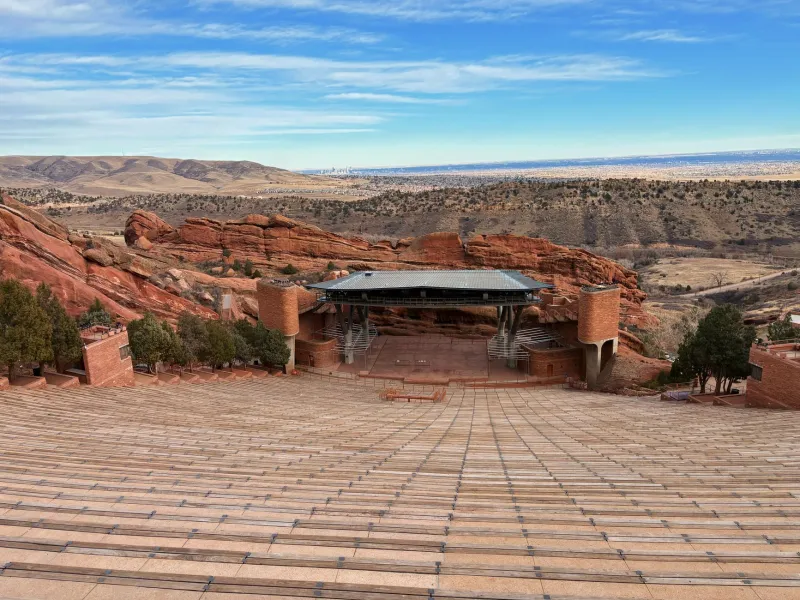
In the Southwest, several tribal nations have invested seriously in purpose-built outdoor amphitheaters that serve both community events and ticketed public concerts. These aren't afterthoughts tucked behind casino floors. Some are genuinely impressive facilities — covered stages with professional sound systems, tiered seating that accommodates thousands, and sightlines designed to connect the audience to the surrounding landscape rather than block it out.
The design philosophy matters. Where mainstream venue construction often prioritizes capacity and revenue per square foot, many Native-operated spaces are built around the relationship between performance and place. The land isn't just the address — it's part of the show. Orientation toward mountains, proximity to water, acoustic choices that let natural sound in rather than seal it out: these decisions reflect a worldview that mainstream concert infrastructure almost never considers.
Smaller but no less significant are the urban listening rooms operated by Native nonprofits in cities like Minneapolis, Albuquerque, and Seattle — places with large urban Indigenous populations that have historically been underserved by both mainstream venues and reservation-based cultural institutions. These spaces often seat fewer than two hundred people, but their programming density is remarkable. A single week might include a traditional drum group, a Native punk band, a spoken word showcase, and a workshop on songwriting in Indigenous languages.
Sovereignty Sounds Like Full Creative Control
The economic logic of Native-owned venues is straightforward once you see it. When a tribal nation or Native nonprofit owns the room, ticket revenue stays local. Concession income stays local. Licensing fees stay local. The entire financial ecosystem of a live event — which in a conventional venue funnels upward to corporate owners and outside investors — circulates instead through the community that built the space.
But the less obvious dividend is creative. Artists who perform in Native-owned spaces consistently describe a different quality of freedom. Set lengths aren't dictated by a venue's bar rush calculations. Opening acts aren't chosen by a promoter trying to broaden demographic appeal. If a performer wants to open with a prayer, pause for a teaching moment, or close the night with something that has nothing to do with entertainment and everything to do with ceremony, the room allows it.
That freedom has a knock-on effect on what kinds of artists are willing to perform — and how. Musicians who had largely retreated from live performance because mainstream venues felt incompatible with their practice are coming back out. Elders who would never set foot in a casino showroom are sharing stages in community-run spaces. The range of what "Indigenous music" sounds like in live performance is expanding because the container holding it has finally been built to fit.
Who Gets to Be in the Audience
Venue ownership also changes the audience equation in ways that matter. Mainstream concert promotion tends to optimize for the broadest possible ticket-buying demographic, which in practice often means Indigenous-centered programming gets marketed as a niche curiosity for non-Native audiences interested in "authentic culture." The community the music actually comes from ends up priced out or sidelined in the marketing.
Native-operated venues flip that logic. Pricing structures often include community tiers, free events for elders, and youth programming that's subsidized by revenue from larger ticketed shows. The audience that shows up looks like the community the venue was built to serve — which changes the energy in the room in ways that are hard to quantify but impossible to miss.
"When I look out and see my aunties in the front row, that's a different performance," said one Indigenous hip-hop artist who's played both reservation venues and major urban clubs. "I'm not translating. I'm just talking."
What Comes Next
The infrastructure is still young, and the challenges are real. Booking national touring acts requires relationships that take time to build. Zoning and construction on tribal lands involves navigating federal regulations that can slow projects by years. Urban Native organizations operate on nonprofit budgets that leave little margin for risk.
But the momentum is unmistakable. More tribal nations are including cultural venue infrastructure in their long-term economic development plans. More urban Native organizations are acquiring or leasing permanent spaces rather than renting mainstream venues for one-off events. And more artists — Indigenous and otherwise — are actively seeking out these rooms because of what they represent.
The live music industry has spent decades consolidating around a handful of massive corporations that control venues, ticketing, and promotion in ways that leave artists and communities with shrinking slices of the pie. Native-owned venues aren't just an alternative to that system. In a lot of ways, they're a blueprint for what the whole industry could look like if it were built around community rather than extraction.
The stage has always held power. The question has always been who gets to stand on it — and who built the floor beneath it. More and more, that floor is Native ground.